
The Allure of Modern Casinos
The appeal of modern casinos extends far beyond the glitz and glamour of bright lights and lively atmospheres. Gamblers are often drawn in by a potent mix of thrill, excitement, and the potential for substantial financial gain. This complex relationship with gambling is rooted in psychological mechanisms that trigger anticipation and reward pathways in the brain, ultimately promoting a cycle of behavior that can become addictive. To learn more about enhancing your gaming experience, visit https://ausdesignfencing.com.au/, where you’ll find useful resources tailored to your needs.
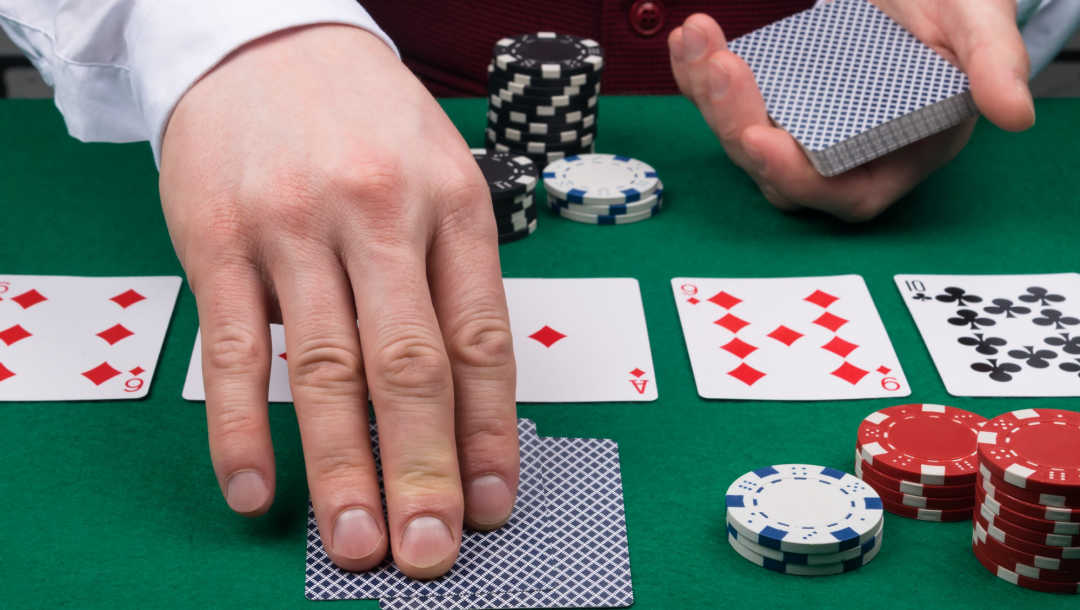
Moreover, the social aspects of gambling cannot be overlooked. Many individuals visit casinos not only to gamble but to socialize, enjoy entertainment, and seek an escape from the everyday stresses of life. The buzz of a casino can create a sense of community among players, enhancing the overall experience and reinforcing their desire to return. Understanding these psychological factors sheds light on why individuals may repeatedly return to the casino environment, often despite adverse outcomes.
The Impact of Risk and Reward
The psychology of gamblers is significantly influenced by the interplay of risk and reward. The thrill of potentially winning a large jackpot can create an adrenaline rush, which many find exhilarating. This state of heightened excitement can lead to an underestimation of the risks involved, as players may focus more on the rewards than on the probabilities of winning, which are often stacked against them. This cognitive bias, known as optimism bias, can lead to a pattern of behavior where gamblers continue to play despite losing streaks, convinced that their luck will soon change.
In addition, the concept of intermittent reinforcement plays a crucial role in gambling behavior. Players receive rewards at unpredictable intervals, which can lead to a stronger attachment to the activity as the brain seeks the thrill of the next win. This unpredictability can make gambling particularly compelling, as the anticipation of a win becomes a powerful motivator that overshadows the risk of losing. Understanding the psychological mechanisms behind risk and reward is essential for recognizing why many find it difficult to walk away from gambling, even when it becomes detrimental.
Cognitive dissonance, the mental discomfort experienced when one’s beliefs and behaviors are in conflict, is prevalent among gamblers. Many individuals rationalize their gambling habits, convincing themselves that they can control their luck or recoup previous losses. This form of psychological justification can perpetuate gambling behavior, even in the face of clear evidence that they are losing money. Gamblers may believe they just need to play a little longer or increase their bets to finally hit a winning streak, clinging to the hope that their fortunes will change.
This dissonance can also manifest in the way gamblers perceive their experiences. Positive outcomes tend to be amplified in their minds, while negative experiences are downplayed or forgotten. This selective memory can create a distorted view of their gambling success and lead to continuous participation, despite the reality of their financial situation. Addressing cognitive dissonance is an important aspect of understanding the psychology of gamblers and can offer insights into developing healthier gambling habits.
Addiction and Its Psychological Underpinnings
The potential for gambling addiction is a significant concern in modern casinos, with psychological factors playing a critical role. The sensation of winning, coupled with the thrill of the game, can trigger the release of dopamine, a neurotransmitter associated with pleasure and reward. For some individuals, this response can lead to compulsive gambling behavior, as they seek to replicate the euphoric feelings experienced during their wins. Over time, what begins as a recreational activity can evolve into a harmful addiction.
Furthermore, various underlying psychological issues, such as anxiety or depression, can exacerbate gambling addiction. Individuals may turn to gambling as a form of escapism, finding temporary relief in the excitement of betting. This can create a vicious cycle where the gambler seeks solace in gaming, only to find themselves trapped in a downward spiral of loss and desperation. Understanding these psychological underpinnings is crucial for prevention and intervention strategies aimed at helping those affected by gambling addiction.

Enhancing Your Gambling Experience with Knowledge
As the landscape of gambling evolves, gaining a deeper understanding of the psychological elements at play can enhance your experience. Knowledge empowers players to make informed decisions, helping them recognize potential pitfalls and establish healthy limits. Whether you are a casual player or a seasoned gambler, being aware of these psychological factors can lead to a more mindful engagement with gambling activities.
Our platform is dedicated to providing comprehensive insights into modern casinos and online gambling, tailored for both novice and experienced players. We offer expert reviews and tips to elevate your gaming experience, ensuring that you approach gambling with the knowledge and confidence necessary for a safer journey. Join us today to empower your gambling endeavors with valuable information and resources.